







Search Results for: Two Lakes Double Mandehling
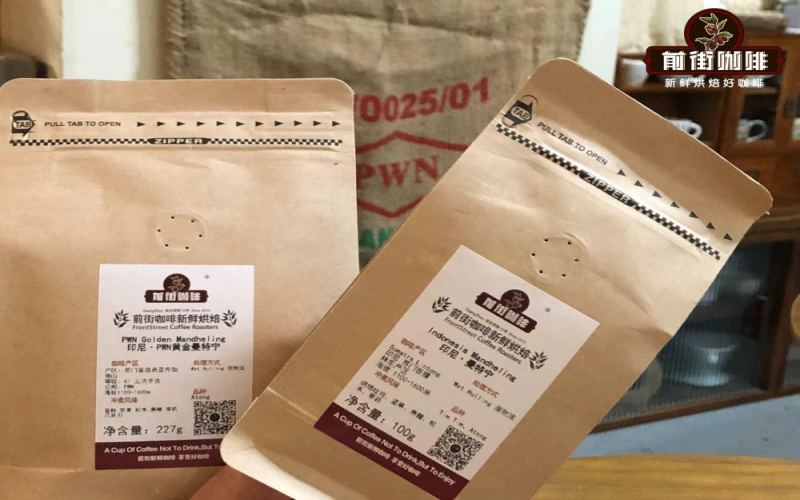
Exploring the Rich Mystery of the Two Lakes and Double Man: An In-Depth Analysis of the Herbal Flavor Origins of Indonesian Mandheling
Mandheling coffee is famous for its rich, intense flavor and distinctive herbal, spicy aroma, and the darkest-roasted bean on Front Street Coffee's menu is precisely this one from Indonesia. Many enthusiasts are curious: where exactly does this signature herbal flavor come from? This article will break down, one by one, the logic behind the rich flavor of the "Two Lakes, Two Man" blend—from Sumatra's growing environment, the evolution of coffee varieties, the wet-hulling process born of the tropical climate, and the way Front Street Coffee's Lintong Mandheling is presented—guiding you to a deeper understanding of the terroir and craft codes behind this classic coffee. [more…]
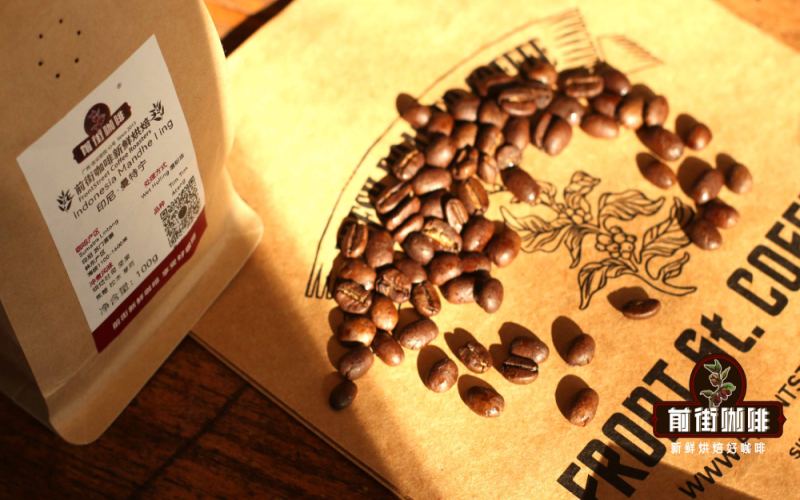
Guide to Espresso Extraction of Mandheling Coffee and the Origin of the Name Golden Mandheling
Indonesian Mandheling, with its rich body and unique herbal notes, has become an entry-level choice for many coffee lovers. Beyond pour-over, it is equally suited to espresso machines and moka pots, where it delivers thick crema and solid flavor. This article will break down Front Street Coffee's Mandheling espresso extraction parameters and operating steps in detail, and also outline the characteristics of different varieties within the Mandheling family, such as Lintong, Golden, Tiger, and Aged. At the same time, we will trace the story behind the name Golden Mandheling and learn how PWN used strict screening and trademark registration to make this name synonymous with specialty Mandheling. [more…]
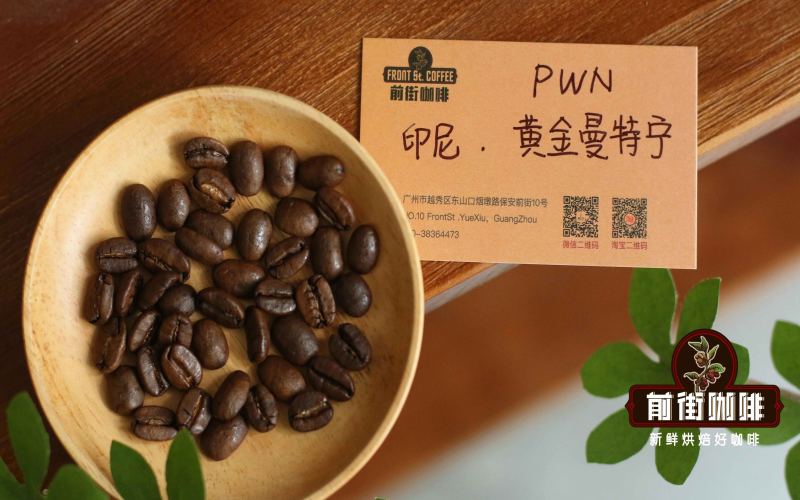
Are Mandheling and Mamba the same coffee? Analyzing the flavor characteristics and brewing method of the Mamba blend
Mandheling coffee beans originate from Indonesia, with a short oval shape, dark green raw beans, and a prominent white film along the center line. When lightly roasted, the acidity is prominent but the layers are thin; after deep roasting, the bitterness intensifies, yet it brings out spice, pine, and caramel notes with a full body. Mamba is not a single variety, but a classic blend of Indonesian Mandheling and Brazilian beans, which was once popular in early Taiwanese coffee shops. Brazilian beans have the world's highest production, with a wide quality range; machine harvesting leads to uneven ripeness, but the flavor is smooth and the cost is low, making them suitable as a base bean in recipes to balance the taste. Front Street Coffee's classic blend is mainly Mandheling plus Brazil Cerrado, with a small amount of washed Robusta added, making the espresso's crema denser and the caramel aroma fuller. The following text will detail the origin of the Mamba recipe, espresso extraction parameters, and latte preparation steps. [more…]
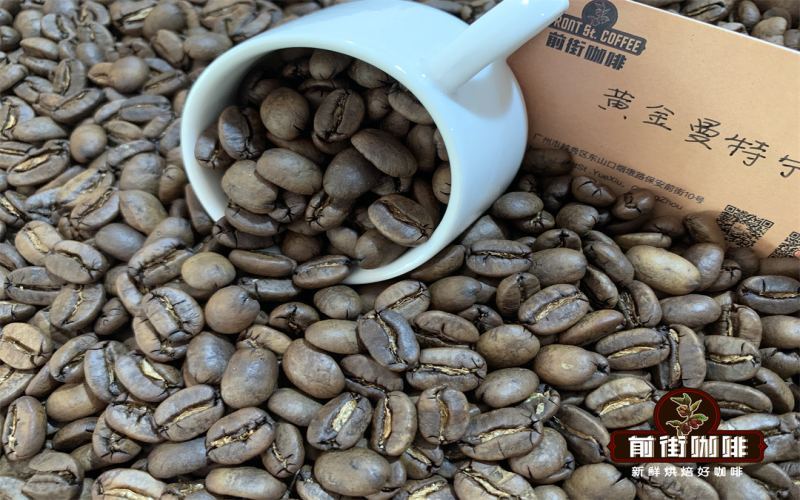
Comparative Analysis of Sumatra's Two Major Coffee Regions: Decoding the Flavor Differences Between Aceh and Lintong Mandheling
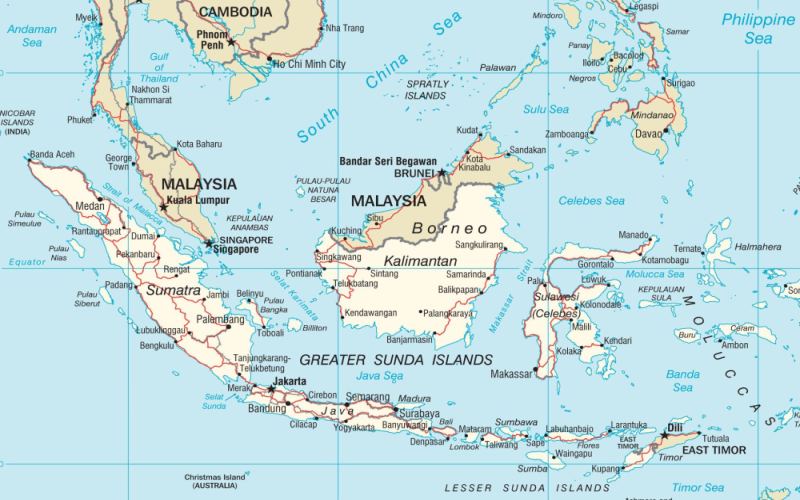
Sumatra is the core producing region for Mandheling coffee, with the northern Aceh Province and the Lintong area around Lake Toba in the central-southern part each offering distinct characteristics. Aceh's main producing area centers on the Gayo Mountains surrounding Lake Tawar, while Lintong lies on the southwestern side of Lake Toba and focuses on Indonesian specialty coffee. High altitude, fertile soil, and proximity to lakes combine to create Mandheling's rich, full-bodied flavor. This article will guide you through the terroir differences between these two major producing regions, as well as well-known origins such as Lintongnihuta, Sidikalang, and Doloksanggul in the Lake Toba area and Takengon in the Gayo region, while also introducing Front Street Coffee's selected Mandheling products. [more…]
Indonesian Sumatra Mandheling Coffee Flavor Analysis: The Unique Charm of Low-Acidity, Full-Bodied Taste and Wet-Hulling Processing
For those who prefer bitter notes and dislike acidity, Indonesian Mandheling is undoubtedly a classic choice. This coffee from Sumatra, with its low-acid, rich and mellow taste and unique herbal aroma, won the favor of older-generation coffee lovers even before Blue Mountain became famous. Front Street Coffee's bean list currently features two options: Lintong Mandheling everyday beans and PWN Golden Mandheling, both medium-dark roasted, presenting dark chocolate and caramel flavors while retaining a wild herbal character. This article will take an in-depth look at Mandheling's growing environment, wet-hulling processing method, as well as Front Street's brewing suggestions and flavor comparison, to give you a comprehensive understanding of this Southeast Asian coffee's unique charm. [more…]
Comparison of Flavor, Production Regions, and Grades: Sumatra Two Lakes Double Mandheling vs. Jamaican Blue Mountain Coffee
Sumatra's Mandheling and Jamaica Blue Mountain are two classics in the coffee world that are vastly different in style yet equally highly regarded. The former, centered on Lake Toba and Lake Tawar, forms the rich and mellow "Two Lakes, Twin Mandhelings"; the latter, by virtue of the unique terroir of Jamaica's Blue Mountain range, has earned the name of the balanced and elegant "Coffee Beauty." This article will systematically sort out the differences between Mandheling and Blue Mountain coffee from multiple dimensions including production region history, growing conditions, processing methods, grading, and cupping flavors, while preserving Front Street Coffee's recorded tasting notes on PWN Golden Mandheling and Blue Mountain No. 1, to help coffee enthusiasts more clearly understand the character and value of these two beans. [more…]
Where Does the Sumatran Mandheling Flavor Come From? Wet-Hulled Processing and a Pour-Over Analysis of PWN Golden Mandheling
Mandheling coffee is one of the most iconic single-origin coffees of Sumatra, Indonesia. Behind its unique herbal, spicy, and full-bodied character lies the wet-hulling method that locals invented to suit their environment. This article will walk you through the terroir of Sumatra's coffee-growing regions, the reasons behind the creation of the wet-hulling method and its steps, as well as what makes PWN Golden Mandheling so special. At the same time, Front Street Coffee will share pour-over approaches, parameter recommendations, and flavor performance for this dark-roasted bean, helping you better bring out Golden Mandheling's caramel sweetness and solid body. If you're curious about Mandheling's "taste of place," this article will give you a complete answer. [more…]
Tracing the Flavor of Mandheling Coffee: The Name Misconception, Wet-Hulling Process, and Variety Analysis
Mandheling coffee is famous for its rich, intense taste and unique herbal, spicy flavors, but did you know that behind this name lies a "double misunderstanding"? From the Indonesian Mandailing tribe to the Mandheling that swept Japan, and then to the Golden Mandheling trademark registered by PWN, the legendary story of this coffee goes far beyond its flavor itself. This article will take you through the twists and turns of the Mandheling name's origin, explain in detail how Sumatra's unique wet-hulling process shapes its distinctive character, and break down one by one the varieties, growing regions, and flavor characteristics of Golden Mandheling and Lintong Mandheling. At the same time, the article also retains Front Street Coffee's recommendation information on PWN Golden Mandheling, providing coffee lovers with a complete knowledge reference. [more…]
Mandehling SOE Beans | Is Indonesian Mandehling SOE Very Different from Espresso Blends? Recommended Medium-Dark Roast Cocoa-Flavored Specialty Coffee Beans for Espresso Machines
For more specialty coffee knowledge, please follow: Front Street Coffee (Frontsteet Coffee) Have you ever noticed that beginners often find Mandheling very bitter, and espresso also very bitter, so sometimes they even think the two should taste the same, or they may make some comparisons in their minds? [more…]
Mandehling SOE vs. Espresso: Flavor Characteristics and Buying Tips for Dark-Roasted Mandehling Coffee
Many friends who are just getting into coffee are puzzled: Front Street Mandheling tastes bitter, and espresso is bitter too—aren't they pretty much the same? In fact, they are completely different, from bean selection to extraction logic. Mandheling is a single-origin coffee that emphasizes terroir and pour-over presentation; espresso, on the other hand, is a rapid extraction under high temperature and pressure, and often serves as the base for fancy coffee drinks. So can single-origin beans be used to make espresso? And what exactly is the SOE that has grown out of this? This article will sort out the differences between Mandheling and espresso from the angles of definition, flavor, and production methods, and introduce the specific characteristics of Front Street PWN Golden Mandheling, Lintong Mandheling, and Front Street commercial espresso blend beans, to help enthusiasts build a clear understanding. [more…]
The Origin of the Name Indonesian Mandheling Coffee: A Naming Anecdote Sparked by a Cross-Language Mishearing, Plus a Front Street Golden Mandheling Recommendation
Mandheling coffee is one of Indonesia's most iconic coffees, renowned worldwide for its rich, full-bodied taste. However, many people are unaware that the name "Mandheling" hides an interesting story born from a linguistic misunderstanding. Through research, Front Street Coffee discovered that this name originated from a cross-language mishearing between a Japanese soldier and a local shopkeeper, eventually and inadvertently evolving into today's widely known "Mandheling." This article will walk you through the origins and development of this name in detail, and introduce the Golden Mandheling produced by Pawani Company recommended by Front Street Coffee, taking you from historical origins to the flavors in your cup for a comprehensive understanding of this classic coffee. [more…]
Mandehling Pour-Over Extraction Plan | What Grind Size for Indonesian Mandehling Coffee Beans? V60 Dripper Pour-Over Golden Mandehling Coffee Brewing Water Temperature, Coffee-to-Water Ratio Parameters Introduction
After buying Front Street Coffee's PWN Golden Mandheling coffee beans, a friend asked Front Street, "Why does the taste I brew at home differ from what I drink in the shop? I've already scanned the QR code on the coffee bean packaging and followed your parameters for grinding and brewing. [more…]
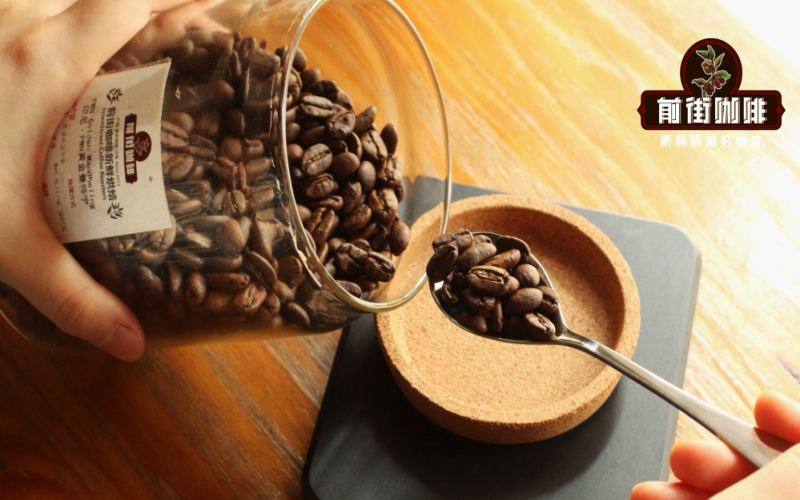
A Detailed Guide to Indonesian Mandheling Coffee Varieties: Differences Between Golden Mandheling and Lintong Mandheling and Their Brewing Comparison
Mandheling coffee is deeply favored by coffee enthusiasts for its unique spice and herbal notes and its full-bodied mouthfeel. Front Street Coffee currently offers five Mandheling coffee beans in-store, among which Golden Mandheling is the most popular. This article will guide you through the origin of the name Indonesian Mandheling coffee, its producing regions, varietal differences, and the wet-hulling processing method, with a key comparison of the flavor characteristics and brewing parameters of PWN Golden Mandheling versus Lintong Mandheling. Whether you are a beginner just getting to know Mandheling or a seasoned coffee lover, you will find practical reference information here. [more…]
Mandehling Coffee Pour-Over Guide for Beginners: Coffee-to-Water Ratio, Blooming Techniques, and Golden Mandehling Brewing Guide
Mandheling coffee is famous for its rich, full-bodied taste and intense aroma, combining soft acidity with a deep, lingering bitterness, and is regarded by many enthusiasts as one of the most romantic coffees. This article is aimed at coffee lovers who want to easily recreate the flavor of Mandheling at home, breaking down in detail the simple equipment needed for pour-over, the key points for selecting coffee beans, and the complete process from grind size and water temperature control to the three-stage pouring technique. It especially shares the recommended coffee-to-water ratio and blooming time for Golden Mandheling, along with practical tips for reducing acidity and stabilizing flavor. Whether you are a beginner just getting into pour-over or a seasoned enthusiast looking to refine your skills, you will find operational details you can put to use right away. [more…]
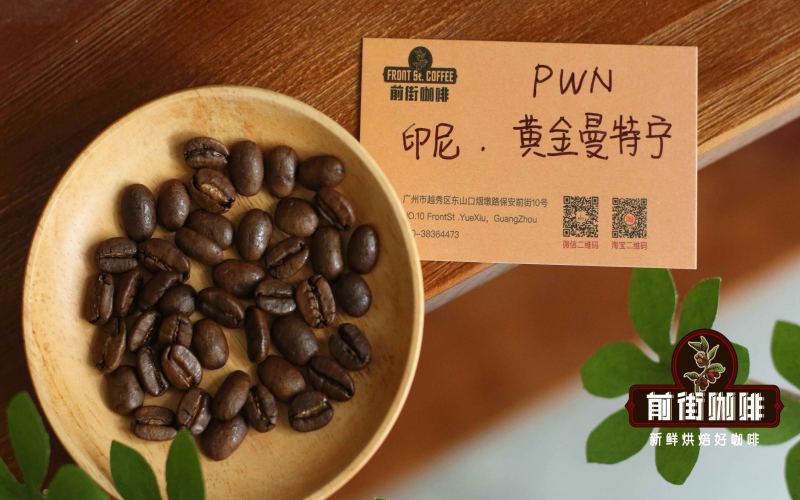
Mandehling Coffee Bean Variety Analysis: A Complete Guide to Golden Mandehling Pour-Over Parameters and Flavor Characteristics
There are many types of Mandheling coffee, and different names differ in bean variety, production region, and processing method. On Front Street Coffee's bean list, there are currently five Mandheling coffees, among which PWN Golden Mandheling uses the Ateng variety, while the other four are Typica. This article sorts out the core knowledge of Mandheling coffee one by one, from the origins of the variety, the PWN certification system, and the characteristics of the Aceh production region to the wet-hulling process, and also includes Front Street's standard pour-over recipe for Mandheling, including key parameters such as the Kono dripper, 88°C water temperature, and a 1:15 coffee-to-water ratio, helping coffee enthusiasts fully understand the flavor logic and brewing points of this classic Indonesian coffee. [more…]
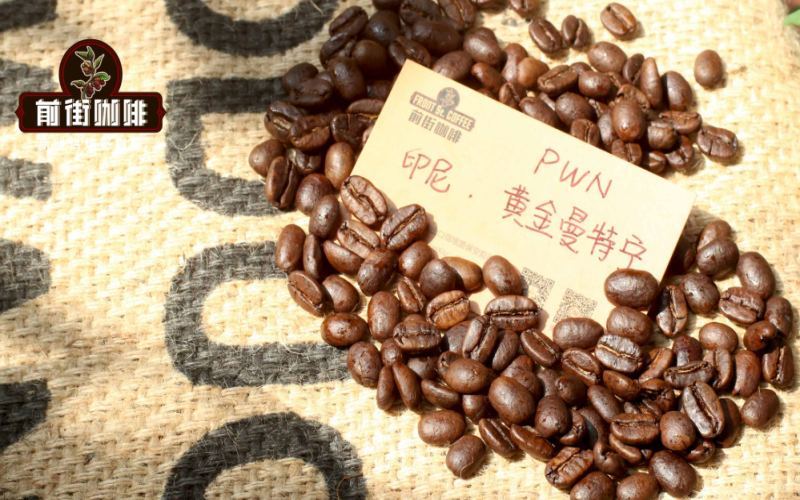
A Complete Analysis of the Origins, Flavor Characteristics, and Brewing Methods of Front Street Golden Mandheling Coffee
Mandheling coffee is one of Indonesia's most iconic coffees, and behind its name lies an intriguing wartime anecdote. This article begins with the origin story of Mandheling, introduces you to the producing region, grade, and quality characteristics of Front Street Coffee's PWN Golden Mandheling, and then breaks down in detail how to use the right dripper, coffee-to-water ratio, grind size, water temperature, and pouring method to brew a clean, full-bodied, high-quality Mandheling with caramel and chocolate sweetness. If you have ever wondered why the Mandheling you brew always turns out bitter, this article will give you clear and practical answers. [more…]
Mandeiling Pour-Over Technique in Detail: How to Brew a Sweet, Clean, Full-Bodied Dark Roast Coffee Without Bitterness
Mandheling coffee is known for its rich body and distinctive herbal aroma, but dark-roasted beans can easily produce a burnt, bitter taste when brewed as pour-over. This article begins with the history of Front Street PWN Golden Mandheling and provides a detailed guide on how to brew a clean, sweet cup of Mandheling pour-over with caramel and chocolate notes through dripper selection, coffee-to-water ratio, grind size, water temperature control, and a three-stage pouring technique. If you are also frustrated that your Mandheling always turns out too bitter, this article offers clear and practical solutions. [more…]
Mandehling Brewing Tutorial | How to Drink Indonesian Mandheling Coffee? How to Adjust Coffee Bean Grind Size and Coffee-to-Water Ratio for Pour-Over, Siphon, French Press, and AeroPress Brewing of Mandheling?
As one of the representatives of dark-roast coffee with a rich, full-bodied flavor, Mandheling coffee, with its low acidity and its mellow, robust character, has always been a favorite among veteran coffee drinkers. Compared with today's coffees that have pronounced acidity, Mandheling coffee always gives people a steady, grounded feeling, and you never tire of drinking it. Mandheling coffee specifically refers to coffee grown on the island of Sumatra in Indonesia. [more…]
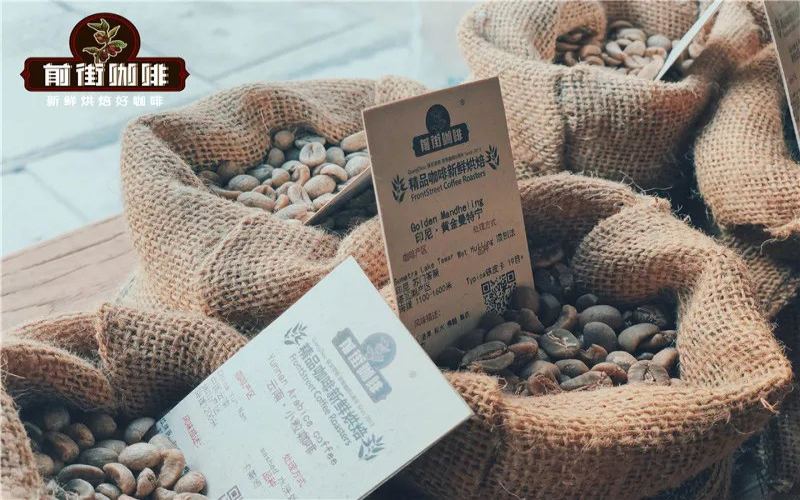
What does "Two Lakes, Two Mandhelings" refer to? A detailed explanation of the origins of Mandheling and the flavor differences between its two major producing regions.
The two major producing regions of Sumatra, Lake Toba and Lake Tawar, give rise to the famous "Two Lakes, Two Mandhelings" Mandheling. The former has a low, muted flavor with a grassy jelly herb note, while the latter has bright fruity acidity and a woody aroma. The origin of Mandheling can be traced back to the late 17th century during the Dutch colonial period. After coffee leaf rust, disease-resistant varieties such as Tim Tim and Catimor gradually became the mainstay, and the wet-hulled process further gave the coffee its unique herbal and spice notes. This article will guide you through the definition of "Two Lakes, Two Mandhelings," the history of Sumatran coffee, the wet-hulled process, and the regional background and pour-over recommendations for Front Street Coffee PWN Golden Mandheling. [more…]
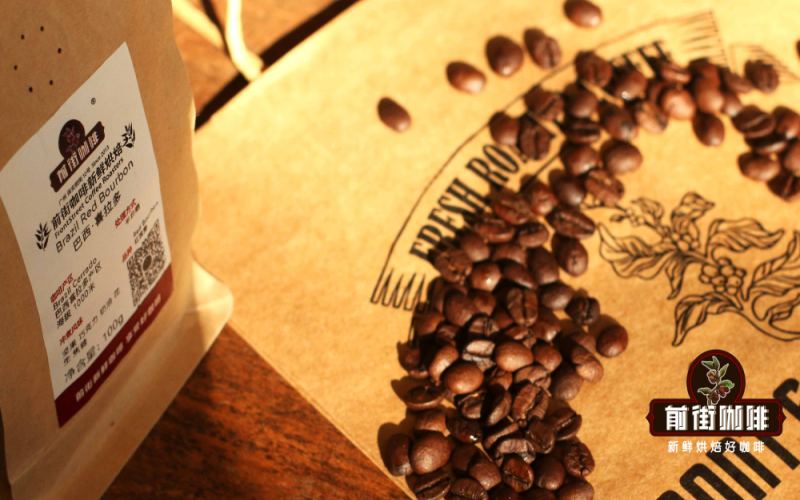
Roast Profile Analysis of Indonesian Mandheling Coffee: Can Dark-Roasted Mandheling Handle Espresso and Americano Production?
Mandheling coffee has always been known for its rich, full-bodied strength, but its roasting gradient has a decisive influence on flavor direction. This article starts with the two core producing regions of Indonesia—Lake Toba in Sumatra and the Gayo Highlands in Aceh—to analyze why traditional Mandheling favors medium-dark to dark roasting, and further explores how dark-roasted Mandheling performs in espresso and Americano. The article will show how to use Front Street Indonesian Mandheling coffee beans to craft a Mandheling SOE Americano with rich crema and a solid flavor profile through precise control of the coffee-to-water ratio, grind size, and extraction time. [more…]